ayushibshah

Blog

Your blog category

A/B Testing Simplified: How to Improve Your Campaign Performance

Introduction Are your marketing campaigns delivering the results you want? If you’re not using A/B testing, you might be missing out on valuable opportunities to boost your campaign performance. A/B testing, also known as split testing, is a powerful way to compare two versions of a campaign element to see which one performs better. In this guide, you’ll learn: What Is A/B Testing and Why Does It Matter? A/B testing is a method where you compare two versions of a single variable—such as an email subject line, landing page headline, or call-to-action button—to determine which one drives better results. By testing these elements, you can make data-driven decisions that directly improve your campaign performance. Why is A/B testing important? How to Set Up an A/B Test for Better Campaign Performance 1. Identify Your Goal Before you start, define what you want to improve. Common goals include: 2. Choose One Variable to Test Focus on one element at a time for clear results. Popular variables include: 3. Create Two Versions Develop two variations (A and B) of your chosen element. For example: 4. Split Your Audience Divide your audience randomly and equally between the two versions. Use tools like Google Optimize, Optimizely, or your email marketing platform to automate this process. 5. Run the Test and Analyze Results Let the test run long enough to gather statistically significant data. Then, analyze which version performed better based on your goal. Best Practices for A/B Testing Success Test One Element at a Time Testing multiple variables simultaneously can muddy your results. Stick to one change per test for clarity. Use a Large Enough Sample Size Ensure your test reaches a sufficient number of users to yield reliable data. Small sample sizes can lead to misleading conclusions. Run Tests for an Appropriate Duration Don’t end your test too soon. Let it run until you have enough data to make an informed decision. Document and Learn from Each Test Keep a record of your tests, results, and insights. This helps you build a knowledge base for future campaigns. Real-World Example: Boosting Email Campaign Performance Scenario: An e-commerce brand wants to improve the open rate of their promotional emails. Test: They A/B test two subject lines: Result: Version B achieves a 22% higher open rate, leading to a 15% increase in sales. Takeaway: Personalization can significantly impact campaign performance. Conclusion A/B testing is a simple yet powerful tool to enhance your campaign performance. By systematically testing and optimizing your marketing elements, you can make data-driven decisions that lead to better engagement, higher conversions, and ultimately, greater success. Ready to start A/B testing? Pick one element, set up your test, and watch your campaign performance soar!

A/B Testing Simplified: How to Improve Your Campaign Performance Read More »

My Process for Creating a Data-Driven Marketing Strategy

Want to build a data-driven marketing strategy that actually works? You’re in the right place. In today’s competitive digital world, a data-driven marketing strategy is the key to unlocking higher engagement, better ROI, and sustainable business growth. A data-driven marketing strategy means making decisions based on real data—not guesswork. It’s about understanding your audience, tracking performance, and optimizing every step of your marketing funnel. Whether you’re a startup or an established brand, a well-crafted data-driven marketing strategy can transform your results. In this post, I’ll share my step-by-step process for creating a data-driven marketing strategy that delivers measurable success. What Is a Data-Driven Marketing Strategy? A data-driven marketing strategy uses real-time and historical data to guide your marketing decisions. Instead of relying on intuition, you base your campaigns, content, and targeting on concrete insights from customer behavior, market trends, and performance metrics. Why is a data-driven marketing strategy essential? Step 1: Define Your Goals and KPIs Every successful data-driven marketing strategy starts with clear goals. Use the SMART framework to set objectives that are Specific, Measurable, Achievable, Relevant, and Time-bound. Example Goals for Your Data-Driven Marketing Strategy: Key KPIs to Track: Step 2: Collect and Centralize Your Data Data is the foundation of your data-driven marketing strategy. Gather data from all relevant sources and centralize it for easy analysis. Data Sources to Consider: Tip: Use tools like Google Data Studio, Tableau, or HubSpot to aggregate and visualize your data for your data-driven marketing strategy. Step 3: Analyze Your Data for Insights Collecting data is only the first step. The real value comes from analyzing it to uncover actionable insights for your data-driven marketing strategy. What to Look For: Tools for Analysis: Step 4: Develop Data-Driven Campaigns Now that you have insights, it’s time to create campaigns that resonate with your audience as part of your data-driven marketing strategy. How to Use Data in Campaigns: Example: If your data shows that video content has the highest engagement, invest more in video marketing as part of your data-driven marketing strategy. Step 5: Implement, Monitor, and Optimize Launch your campaigns, but don’t set them on autopilot. Continuously monitor performance and optimize based on real-time data to refine your data-driven marketing strategy. Optimization Tips: Step 6: Measure Success and Iterate At the end of each campaign or quarter, measure your results against your goals. Celebrate wins, learn from losses, and use insights to improve future iterations of your data-driven marketing strategy. Questions to Ask: Common Mistakes to Avoid Final Thoughts A data-driven marketing strategy is a powerful way to ensure your marketing efforts are effective and efficient. By setting clear goals, collecting and analyzing data, and continuously optimizing your campaigns, you can drive better results and grow your business. Ready to get started? Begin by auditing your current data and identifying one area to optimize this week.

My Process for Creating a Data-Driven Marketing Strategy Read More »

Performance Marketing Strategy for 2025 Success

What is a Performance Marketing Strategy? A performance marketing strategy is a data-driven approach designed to maximize your marketing ROI by focusing on measurable actions—such as clicks, leads, or sales. Unlike traditional advertising, where you pay for impressions, a strategy ensures you only pay for actual results. This makes it one of the most cost-effective and scalable ways to grow your business in 2025. Why is a Performance Marketing Strategy Essential? In 2025, a well-crafted performance marketing strategy is not just an option—it’s a necessity for businesses looking to thrive in a competitive digital landscape. The Core Components of a Performance Marketing Strategy 1. Clear Objectives Your performance marketing strategy should start with specific, measurable goals. Are you aiming to increase website traffic, boost conversions, or reduce customer acquisition costs? Define these upfront to guide your efforts. 2. Audience Segmentation Use data to identify and segment your target audience. A successful performance marketing strategy tailors messaging and offers to each segment, increasing relevance and conversion rates. 3. Channel Selection Not all channels are equal. Your performance marketing strategy should focus on platforms where your audience is most active, such as Google Ads, Meta, LinkedIn, or affiliate networks. 4. Technology and Automation Leverage AI and marketing automation tools to optimize bids, personalize content, and track performance. These technologies are the backbone of a modern performance marketing strategy. Why Your Business Needs a Performance Marketing Strategy in 2025 Data-Driven Decision Making With advanced analytics and AI, a performance marketing strategy allows you to make informed decisions, predict trends, and automate optimizations for better results. Privacy-First Marketing As privacy regulations evolve, a performance marketing strategy focuses on first-party data and consent-based targeting, ensuring compliance and effectiveness. Omnichannel Consumer Journeys Consumers interact with brands across multiple touchpoints. A cohesive performance marketing strategy ensures consistent messaging and accurate attribution across all channels. Building Your Performance Marketing Strategy for 2025 Step 1: Define Clear Objectives Start by setting SMART goals: Step 2: Identify Your Target Audience Use data analytics to segment your audience based on demographics, behavior, and purchase history. Tailor your messaging to resonate with each segment. Step 3: Choose the Right Channels Not all channels are created equal. Focus on those that align with your audience and goals: Step 4: Leverage Technology and Automation Invest in tools for: Step 5: Optimize for Conversions Step 6: Measure and Iterate Track KPIs such as: Use these insights to refine your strategy and reallocate budgets to high-performing campaigns. Top Performance Marketing Trends for 2025 1. AI and Machine Learning AI-driven tools will automate bidding, creative optimization, and audience targeting, making campaigns more efficient and effective. 2. First-Party Data Utilization With third-party cookies phasing out, first-party data will be the backbone of targeting and personalization. 3. Video and Interactive Content Video ads and interactive formats (polls, quizzes, AR) will dominate, offering higher engagement and conversion rates. 4. Voice Search Optimization As voice search grows, optimize your content for conversational queries and local intent. Common Mistakes to Avoid Conclusion A well-crafted performance marketing strategy is your ticket to sustainable growth in 2025. By focusing on data, technology, and continuous optimization, you can maximize ROI and stay ahead of the competition. Ready to Elevate Your Performance Marketing? Start by auditing your current campaigns, setting clear goals, and embracing the latest trends. Need help? Reach out to our team of performance marketing experts today!

Performance Marketing Strategy for 2025 Success Read More »

a man using a laptop working on how to build your website from stratch

Step-by-Step Guide: How to Build a Website From Scratch

Want to create a professional website but don’t know where to start? You’re in the right place. This step-by-step guide will walk you through how to build a website from scratch—even if you have no technical experience. By the end, you’ll have a fully functional, SEO-friendly site ready to attract visitors and grow your online presence. Table of Contents Why Build a Website in 2025? <a name=”why”></a> In 2025, having a website is no longer optional—it’s essential. Whether you’re a business owner, freelancer, or creative professional, a website helps you: With modern tools, building a website from scratch is easier than ever. You don’t need to code or hire a developer—just follow this guide! Step 1: Define Your Website’s Purpose and Goals <a name=”purpose”></a> Before diving into design or technical setup, clarify: This clarity will guide every decision, from design to content. Step 2: Choose the Right Platform <a name=”platform”></a> Selecting the right platform is crucial. Here are the best options for 2025: PlatformBest ForEase of UseSEO-Friendly? WordPress Blogs, business sites, eCommerce Moderate Yes Wix Portfolios, small businesses Easy Yes Squarespace Creatives, artists Easy Yes Shopify Online stores Easy Yes WordPress is the most flexible and SEO-friendly, powering over 40% of all websites. It’s ideal if you want full control and scalabilityfirstsiteguide.com+1. Step 3: Pick a Domain Name and Hosting <a name=”domain”></a> Domain Name Hosting Step 4: Install and Set Up Your Website <a name=”setup”></a> With WordPress: Step 5: Design Your Website <a name=”design”></a> Step 6: Add Essential Pages and Content <a name=”content”></a> Every website needs these core pages: Pro Tip: Use your focus keyword (“how to build a website from scratch”) naturally in headings and content. Step 7: Optimize for SEO <a name=”seo”></a> SEO is what helps your site rank on Google. With RankMath: RankMath Tip: Use the plugin’s content analysis to ensure your posts are fully optimized for your focus keyword. Step 8: Test and Launch <a name=”launch”></a> Step 9: Maintain and Grow Your Website <a name=”maintain”></a> Final Thoughts Building a website from scratch is a rewarding process. By following these steps, you’ll create a site that not only looks great but also ranks well and attracts visitors. Remember, SEO is ongoing—keep optimizing and updating your content to stay ahead. Ready to start? Pick your platform, register your domain, and begin building your online presence today!

Step-by-Step Guide: How to Build a Website From Scratch Read More »

Freelance Social Media Marketing Made Easy

Freelance Social Media Marketing Made Easy: Why You Need a Pro in Your Corner Freelance social media marketing isn’t just about posting pretty pictures or witty captions—it’s about strategy, growth, and turning followers into customers. In today’s digital-first world, businesses of all sizes are scrambling to stand out on platforms like Instagram, Facebook, LinkedIn, and TikTok. But here’s the catch: managing social media effectively takes time, expertise, and a deep understanding of ever-changing algorithms. That’s where a freelance social media marketing expert comes in. As a seasoned professional, I don’t just post content—I craft campaigns that drive real results. Whether you’re a startup looking to build brand awareness, a small business aiming to boost sales, or an influencer wanting to grow your audience, freelance social media marketing is your secret weapon. But why choose me? Because I don’t just follow trends—I set them. I analyze data, optimize content, and engage audiences in ways that turn likes into leads and shares into sales. In this post, I’ll break down how freelance social media marketing can transform your online presence and why partnering with a dedicated expert is the smartest move you’ll make this year. What Is Freelance Social Media Marketing—and Why Does It Matter? Freelance social media marketing is the art and science of promoting your brand, product, or service across social platforms—without the overhead of a full-time team. It’s about creating content that resonates, running ads that convert, and building a community that advocates for your business. The Power of a Freelance Expert Why Choose Me for Your Freelance Social Media Marketing Needs? 1. Proven Strategies, Real Results I don’t guess—I analyze. Using data-driven insights, I tailor strategies to your unique audience and goals. From hashtag research to competitor analysis, every post is optimized for maximum impact. 2. Creative Content That Converts Great content stops the scroll. I create eye-catching visuals, compelling captions, and interactive stories that turn passive viewers into active customers. 3. Full-Service Management From planning and scheduling to community management and reporting, I handle it all. You focus on your business; I’ll handle your social media growth. 4. Transparent Communication No jargon, no surprises. I provide regular updates, clear reports, and open communication so you always know what’s working and why. How Freelance Social Media Marketing Can Grow Your Business Build Brand Awareness Consistent, high-quality content puts your brand in front of the right people, increasing visibility and recognition. Drive Traffic & Sales Strategic calls-to-action, targeted ads, and engaging content funnel users from social media to your website or store. Foster Customer Loyalty Social media is a two-way street. I help you build relationships, respond to feedback, and create a community around your brand. Ready to Elevate Your Social Media Game? If you’re ready to take your social media from “meh” to “marvelous,” let’s talk. As your freelance social media marketing partner, I’ll bring creativity, strategy, and a relentless focus on results to the table. Contact me today to discuss how we can grow your brand, one post at a time.

Freelance Social Media Marketing Made Easy Read More »

Top view of a laptop, charts, and resume on a wooden desk, showcasing business analysis and job application.

7 Benefits of Hiring a Digital Marketing Freelancer in India

In today’s fast-paced digital world, businesses of all sizes are constantly seeking ways to enhance their online presence and reach their target audience effectively. One of the most cost-effective and flexible solutions is to hire a digital marketing freelancer in India. Whether you’re a startup, a small business, or an established enterprise, collaborating with a skilled freelancer can provide numerous advantages. In this blog, we’ll explore 7 key benefits of hiring a digital marketing freelancer in India and why this could be the game-changer your business needs. 1. Cost-Effective Solutions Hiring a full-time, in-house digital marketing team can be expensive, especially for startups and small businesses. On the other hand, a digital marketing freelancer in India offers high-quality services at a fraction of the cost. You save on salaries, benefits, office space, and equipment, allowing you to allocate your budget more efficiently. Pro Tip: Freelancers often work on a project basis or hourly rates, giving you the flexibility to scale your marketing efforts as needed. 2. Access to Specialized Skills Digital marketing is a broad field, encompassing SEO, content marketing, social media, PPC, email marketing, and more. A digital marketing freelancer in India typically specializes in one or more of these areas, bringing expert knowledge and up-to-date skills to your projects. This specialization ensures that your campaigns are executed with precision and creativity. 3. Flexibility and Scalability Business needs can change rapidly. With a freelancer, you have the flexibility to scale your marketing efforts up or down without the hassle of hiring or laying off employees. Whether you need a short-term campaign or ongoing support, a digital marketing freelancer in India can adapt to your requirements seamlessly. 4. Fresh Perspectives and Creativity Freelancers work with diverse clients across various industries, which exposes them to different challenges and solutions. This experience allows them to bring fresh ideas and innovative strategies to your business. A digital marketing freelancer in India can offer unique insights and creative approaches that an in-house team might overlook. 5. Focus on Core Business Activities Outsourcing your digital marketing tasks to a freelancer allows you and your team to focus on core business activities. Instead of spending time managing marketing campaigns, you can concentrate on product development, customer service, and strategic planning, knowing that your online presence is in capable hands. 6. Faster Turnaround Times Freelancers are known for their ability to deliver results quickly. Without the bureaucratic delays of larger agencies, a digital marketing freelancer in India can start working on your project immediately and provide faster turnaround times. This agility is crucial in the fast-moving digital landscape. 7. Personalized Attention Unlike large agencies that juggle multiple clients, freelancers often provide more personalized attention to your business. They take the time to understand your brand, goals, and target audience, ensuring that every campaign is tailored to meet your specific needs. How to Hire the Right Digital Marketing Freelancer in India Now that you know the benefits, here are a few tips to help you find the right freelancer: Conclusion Hiring a digital marketing freelancer in India offers a multitude of benefits, from cost savings and specialized skills to flexibility and personalized attention. By leveraging the expertise of a freelancer, you can elevate your digital marketing efforts and achieve your business goals more efficiently. Ready to take your digital marketing to the next level? Start exploring the talent pool of digital marketing freelancers in India today!

7 Benefits of Hiring a Digital Marketing Freelancer in India Read More »

The Role of SEO in Growing Your Business in 2025

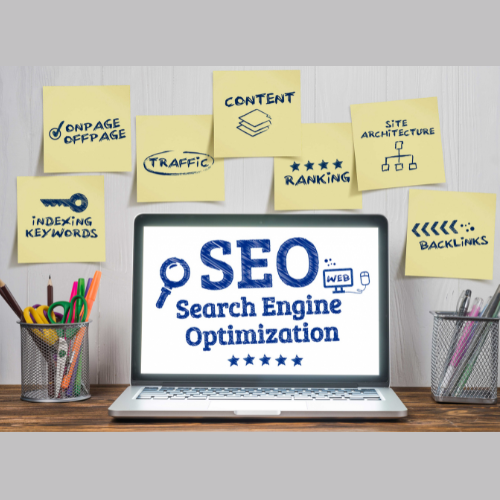
In today’s digital-first world, showing up on Google is just as important as having a storefront. Search Engine Optimization (SEO) is what helps your business rank higher, attract the right audience, and build long-term credibility online. Whether you run a small business or an established brand, SEO can be the game-changer in your growth journey. 1. Visibility Where It Matters Think about the last time you searched for something online. Chances are, you clicked on one of the first results. That’s the power of SEO—it puts your business in front of potential customers exactly when they’re looking for your products or services. 2. Builds Long-Term Growth Unlike paid ads that stop the moment you pause spending, SEO delivers consistent traffic over time. Optimized websites keep ranking, attracting visitors, and generating leads even months after the initial work is done. 3. Establishes Trust and Authority People trust Google. If your business ranks on the first page, it instantly adds credibility to your brand. SEO-backed content positions you as an expert, making customers more likely to choose you over competitors. 4. Targets the Right Audience SEO isn’t just about traffic—it’s about quality traffic. By focusing on the right keywords, you attract people who are already searching for what you offer. This increases the chances of conversions and sales. 5. Adapts with Trends Google’s algorithms keep changing, and so do customer behaviors. With the right SEO strategy, your business stays updated and ready to meet the demands of the digital landscape in 2025 and beyond.

The Role of SEO in Growing Your Business in 2025 Read More »

Back view of crop anonymous female remote employee typing on portable computer while watching website on screen and sitting at plastic table with cup of hot drink in apartment

Why Every Small Business Needs Digital Marketing in 2025

In today’s fast-moving digital world, having a strong online presence is no longer optional—it’s essential. Customers don’t just discover businesses through word of mouth anymore; they search, scroll, and compare online before making any purchase. That’s where digital marketing comes in. For small businesses especially, it’s the most powerful tool to grow, connect, and compete with bigger brands. 1. Your Customers Are Online No matter your industry, your audience is already searching for your product or service online. Without visibility on platforms like Google or social media, your competitors will take the attention you deserve. 2. Cost-Effective Compared to Traditional Marketing Running print ads or TV campaigns can burn a hole in your pocket. Digital marketing, on the other hand, offers affordable strategies like SEO, content marketing, and targeted social media ads that reach the right people at the right time. 3. Build Trust and Credibility People trust businesses that show up consistently online. Regular social media updates, blogs, and engaging content build authority and credibility, helping customers feel more confident in choosing you. 4. Data-Driven Growth Unlike traditional marketing, digital marketing gives you measurable results. You can track who clicked, what worked, and how to improve—ensuring every rupee you spend brings value. 5. Stay Ahead of Competitors In 2025, the digital world is more competitive than ever. Businesses that invest in SEO, content, and social media are already miles ahead of those who don’t. The earlier you start, the better your long-term growth.

Why Every Small Business Needs Digital Marketing in 2025 Read More »

Close-up of brown envelopes with 'Social Media Marketing' text, ideal for startup themes.

5 Social Media Strategies to Boost Your Brand Online in 2025

Social media isn’t just for scrolling anymore—it’s where customers discover, connect, and even shop from their favorite brands. If you’re not using it strategically, you’re leaving opportunities on the table. Here are five proven social media strategies that can take your brand visibility and sales to the next level. 1. Create Content That Adds Value People don’t follow brands for endless promotions. They follow for tips, insights, and relatable content. Share how-to guides, industry updates, and behind-the-scenes stories to build trust and keep your audience engaged. 2. Leverage Video and Reels Short-form videos dominate platforms like Instagram, TikTok, and YouTube Shorts. Quick tutorials, product demos, or storytelling videos can grab attention in seconds and boost reach faster than static posts. 3. Consistency Is Key Posting once in a while won’t build a loyal audience. Create a content calendar and stick to it. Consistency tells algorithms—and your audience—that you’re active and reliable. 4. Engage, Don’t Just Post Social media is a two-way street. Reply to comments, join conversations, and use polls or Q&A features to interact with your audience. Engagement builds relationships, and relationships lead to conversions. 5. Use Paid Ads Smartly Organic reach is important, but combining it with paid ads can skyrocket growth. With precise targeting, you can reach the exact audience who needs your product or service, making every ad rupee worth it.

5 Social Media Strategies to Boost Your Brand Online in 2025 Read More »